



Colorectal Treatment
Precision Proctology: Modern Laser Treatment Advanced Colorectal Surgery

Why Georgia?
The U.S. Department of State has launched an updated international travel advisory page that includes a global map. This tool helps travelers quickly identify destinations that may involve potential security risks.
Countries around the world are categorized under a four-level system that informs travelers about possible risks.
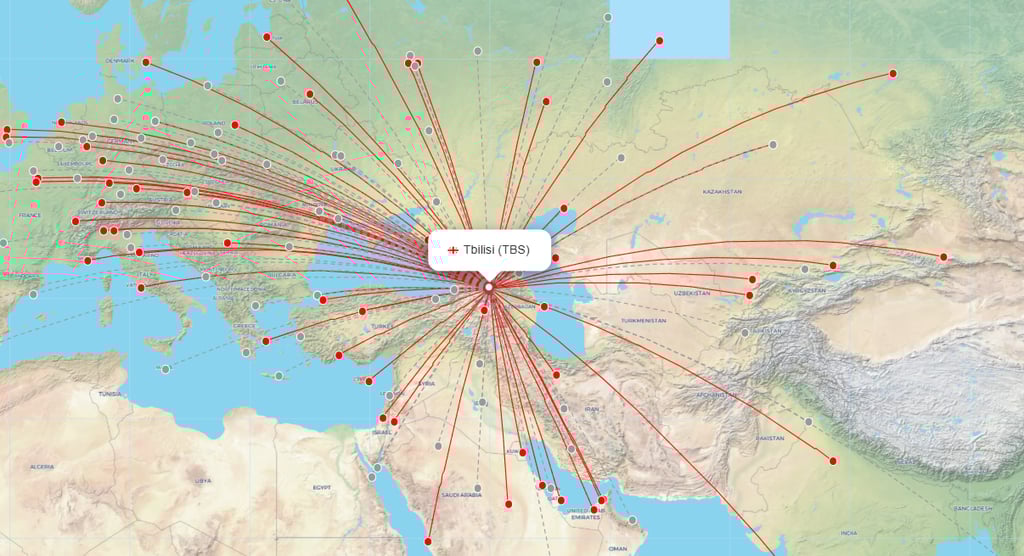
Georgia is considered the safest country in the region although Tbilisi as a 2.5-hour flight from the Gulf
Proctology
Hemorrhoids
Pilonidal Cyst
A fistula
What are hemorrhoids?
Hemorrhoids are swollen veins in the lower rectum or anus. They can be:
Internal – located inside the rectum, often painless but may cause bleeding
External – under the skin around the anus, often painful and uncomfortable
Common symptoms
You may already be experiencing early signs without realizing:
Bleeding during bowel movements
Itching or irritation
Pain or discomfort when sitting
A feeling of incomplete bowel evacuation
Swelling or a lump near the anus
What is a pilonidal cyst?
It is a small sac under the skin, usually containing hair and debris, located at the top of the buttocks crease. Over time, it can become infected and form an abscess.
Signs you shouldn’t ignore
Many patients initially dismiss the symptoms:
Pain or tenderness near the tailbone
Redness or swelling
Drainage of fluid or pus
Unpleasant odor
Discomfort when sitting
These signs often indicate that the cyst is becoming infected.
What is an anal fistula?
It is an abnormal tunnel that forms between the inside of the anal canal and the skin near the anus, usually following an infection or abscess.
Symptoms you may be noticing
Persistent pain or throbbing
Recurrent swelling or abscesses
Discharge of pus or fluid
Skin irritation
Occasional fever
These symptoms often come and go, creating a false sense of improvement.
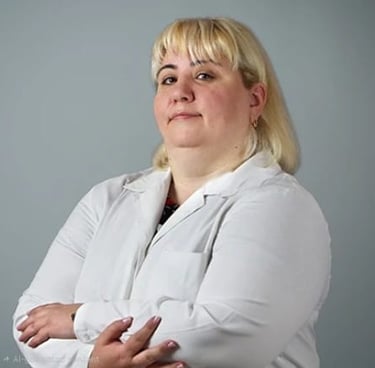
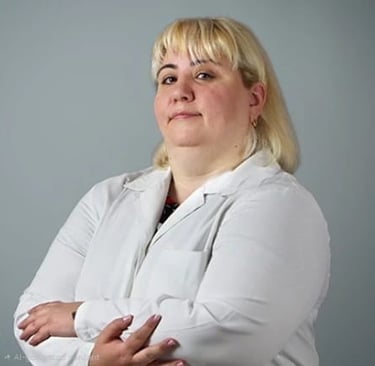
With over two decades of clinical experience, our surgeon–proctologist is a highly qualified specialist dedicated to the diagnosis and treatment of colorectal conditions using modern, patient-centered approaches.
Dr. Nino graduated from Tbilisi State Medical University, one of the leading medical institutions in the region, where she built a strong academic foundation in general medicine. She later pursued advanced postgraduate training (PHD) in General Surgery at Ivane Javakhishvili Tbilisi State University, followed by a specialized residency in Proctology, refining her expertise in colorectal diseases.
Meet Your Specialist: Experienced Colorectal Surgeon & Proctologist

Laser Proctology
Laser proctology is a minimally invasive surgical technique used to treat common anorectal conditions such as haemorrhoids and fistulas. Using precise laser energy, this advanced treatment allows your consultant to remove or seal tissue with minimal pain, bleeding, and downtime compared to traditional surgery.
What is involved in laser proctology?
Laser proctology procedures are typically carried out as a day-case treatment at our advanced surgical facility. The exact technique used depends on the specific condition being addressed, and your colorectal specialist will provide a detailed explanation of the planned procedure beforehand.
In most cases, the treatment day includes the following steps:
You will first attend a brief pre-procedure consultation where your colorectal surgeon reviews the treatment plan and addresses any remaining questions you may have.
Depending on the nature and complexity of your condition, either local or general anesthesia will be administered to ensure your comfort during the procedure.
You will be positioned lying either on your back or on your stomach, with your legs supported in an elevated position.
The surgeon will gently insert a proctoscope into the rectum in order to clearly visualize the affected area and accurately guide the laser instrument.
A thin laser fiber is then carefully introduced to the targeted tissue.Using controlled laser energy, the surgeon will seal, reduce, or remove the diseased tissue while minimizing impact on the surrounding healthy structures.
The entire procedure generally takes about 30 minutes. Once the treatment is completed, you will be moved to a comfortable recovery area where you can rest. After a short observation period, you will receive detailed post-procedure care instructions and will usually be able to return home on the same day.
Pick up
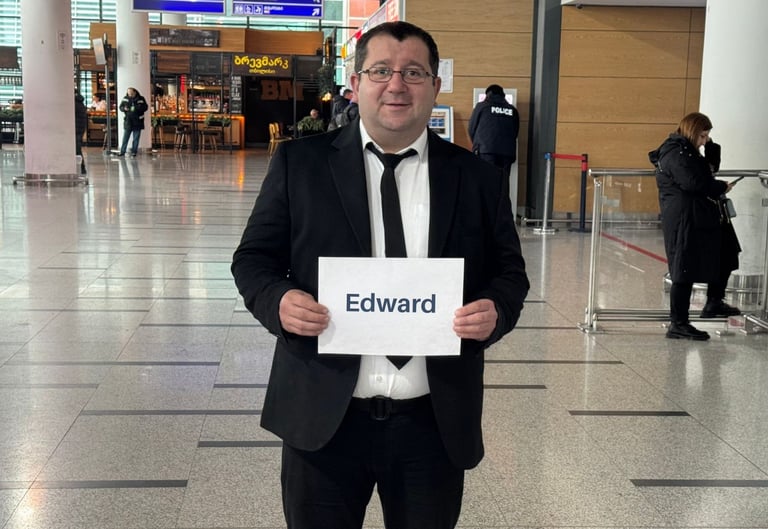
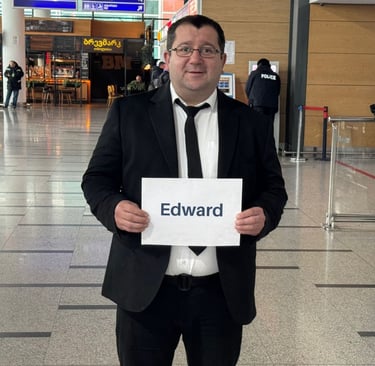
Upon arrival, patients are warmly welcomed at the airport by our dedicated representative, Edward. He will be waiting with a personalized name sign for easy recognition. After assisting with luggage, he escorts guests to the parked black 2024 Toyota Camry and ensures a smooth, comfortable transfer to their selected hotel/apartment
What happens after you arrive in Georgia
Accommodation
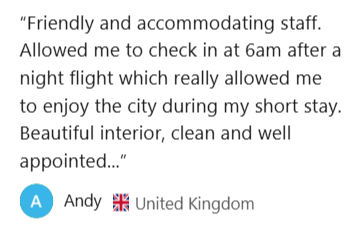
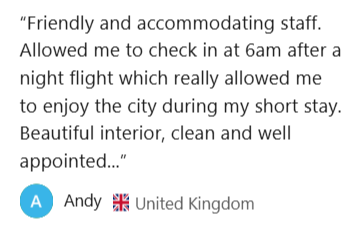
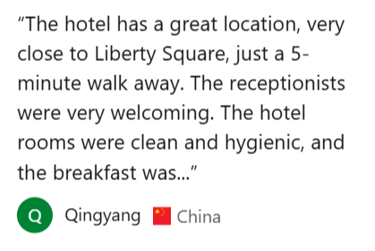
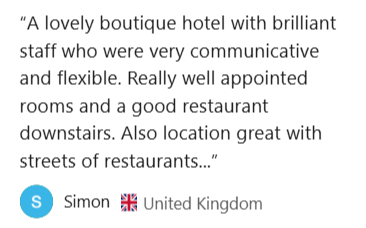
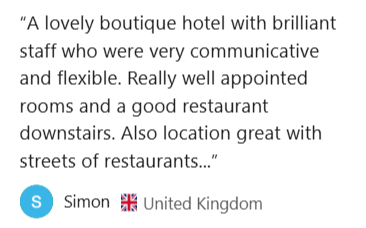
Exceptional Facilities: Guests can relax in the garden or on the terrace. The hotel provides a 24-hour front desk, daily housekeeping, and room service. Additional amenities include a lift, outdoor seating area, and luggage storage
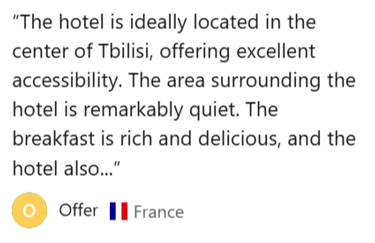
Prime Location: Located 14 km from Tbilisi International Airport, the hotel is a short walk from Freedom Square and near attractions such as Rustaveli Theatre and Saint George's Armenian Cathedral
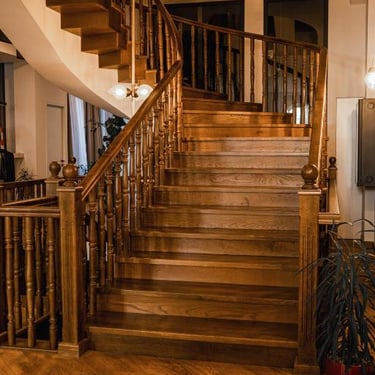
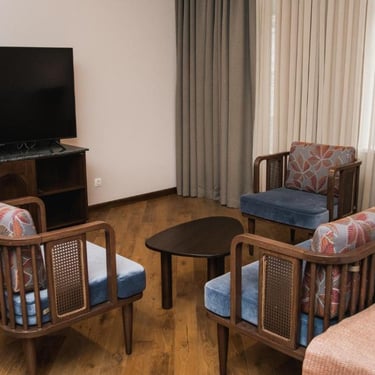


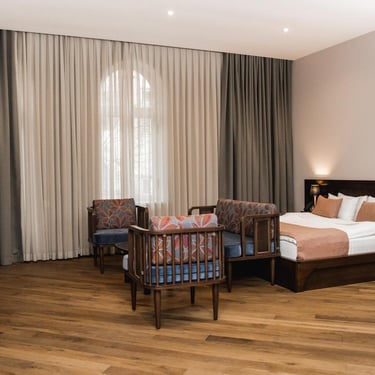
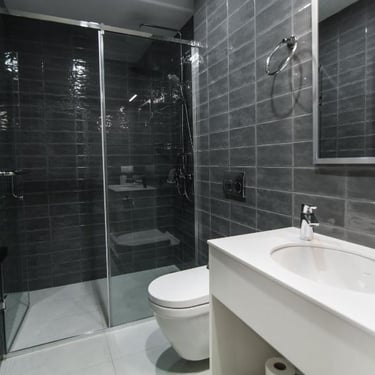

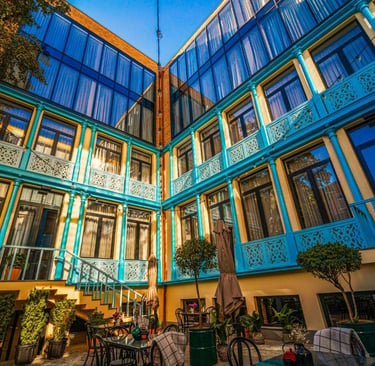
Comfortable Accommodations: Hotel offers family rooms with air-conditioning, private bathrooms, and free WiFi. Each room includes a work desk, minibar, and TV


Contact
World-Class Care, Georgian Hospitality
Assistance
info@atlasmedical.net
+995-557-779-331
© 2025. All rights reserved.